Key facts at a glance:
| Outcome | EB-1A approval for a Kenyan vaccine cold chain engineer working with a UAE based logistics company. |
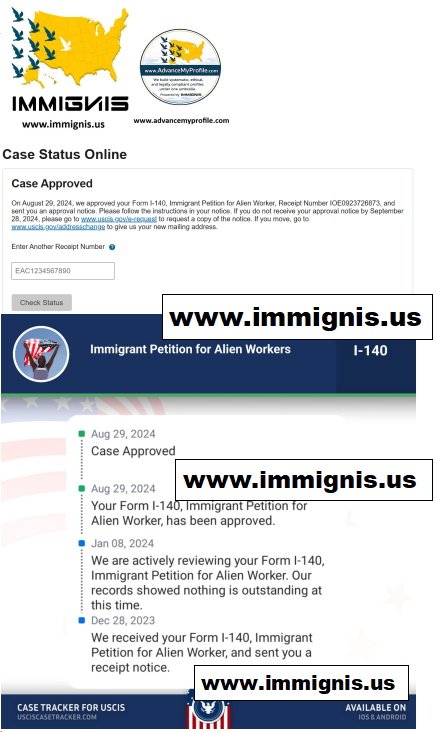
| Approval date | Approved on August 29, 2024. |
| Field niche | Cold chain reliability systems for vaccine and biologics distribution. |
| Starting problem | His operational excellence was visible to clients, but not yet recognized by the wider life-sciences logistics field. |
| Path used | Ethical EB-1A profile building through technical papers, an SOP handbook, an industry conference talk, a white paper for health-supply chain networks, media commentary, judging in logistics awards, selective membership, and independent letters from immunization and cold-chain leaders. |
| USCIS EB-1A criteria activated | Original contributions, authored material, published material, judging, memberships, and leading role. |
The room did not look dramatic. It looked like a logistics control center: dashboards, shipment lanes, temperature alerts, route updates, and quiet pressure. In vaccine distribution, the crisis often begins as a small number on a screen. One temperature excursion can turn a life-saving shipment into a question mark.
For years, he worked inside that pressure. He helped keep vaccines and biologics within the narrow conditions they need to remain usable. Clients understood his value. Operations teams trusted his judgment. But outside the logistics environment, almost no one could see the systems he had helped shape.
He had not built an ordinary logistics career. He had built a public-health reliability record that had never been written in a way USCIS or the wider field could evaluate.
Why did vaccine cold chain work still look risky for EB-1A?
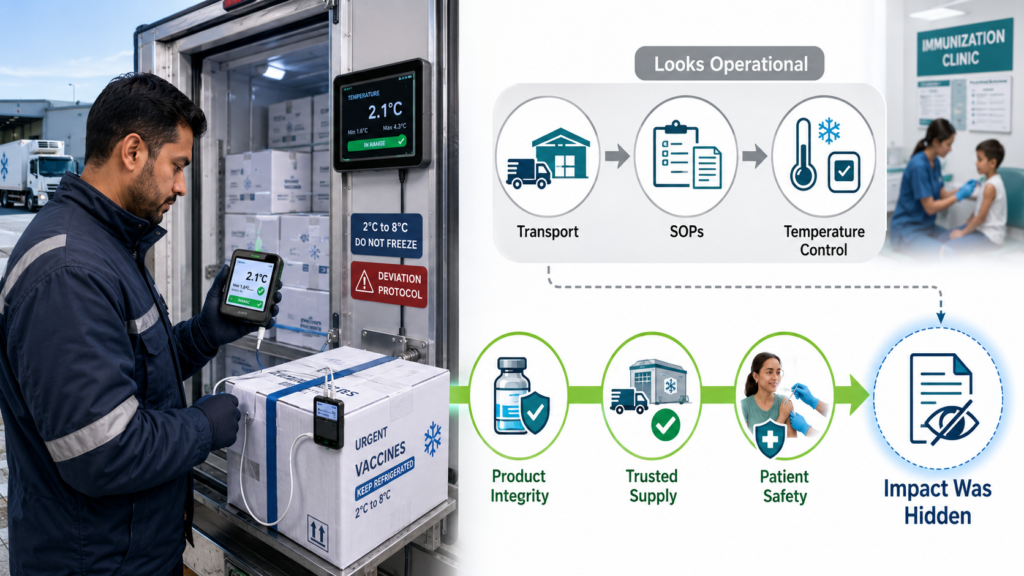
The risk was that the case could look operational.
Cold-chain logistics is easy to underestimate from the outside. To someone unfamiliar with vaccines and biologics, it may sound like transportation, warehousing, route planning, or compliance paperwork. In reality, cold-chain reliability sits between public health and product integrity. It affects whether temperature-sensitive medicines arrive in a usable condition, whether immunization programs can trust their supply lines, and whether distribution failures are caught before they harm patients.
His work had that kind of importance, but the early record did not show it strongly enough. The strongest evidence lived inside operational procedures, client delivery systems, deviation response practices, SOPs, and temperature-control decisions that were never designed for immigration review.
The EB-1A green card is a self-petition immigrant category for people who can show extraordinary ability through sustained national or international acclaim and evidence that they are among the small percentage at the top of their field.
That definition can feel distant to an engineer whose work is hidden behind successful delivery. When shipments arrive safely, no one outside the system notices. Reliability becomes invisible precisely because it worked.
What did Immignis see in the original record?
Immignis saw a life sciences logistics expert with strong real-world impact and weak public proof.
The first assessment did not treat shipment experience alone as enough. Managing important logistics work can support an EB-1A case, but only when the record shows individual contribution, field relevance, independent recognition, and a clear link between the work and a defined area of expertise.
The case was narrowed to one exact niche: cold-chain reliability systems for vaccine and biologics distribution. That framing changed the file. It moved the story away from general logistics and toward a public-health infrastructure problem: how to make temperature-sensitive medical supply chains safer, more consistent, and more accountable.
Once the niche was clear, every activity could support the same message. His work was not only about moving boxes. It was about protecting biological products through reliability systems that health programs and life-sciences supply chains depend on.
What would USCIS need to see in a vaccine cold chain case?
USCIS needed to see that the case was not ordinary operations dressed in technical language.
For this profile, the officer would need evidence answering several specific questions: Did he personally develop or improve reliability methods? Were those methods connected to vaccine and biologics distribution, not generic logistics? Could the work be documented without exposing client data? Did independent cold-chain, immunization, or health supply chain experts recognize the significance? Did the record show public authorship, judging, membership, media recognition, and leadership in one focused field?
That was the final-merits issue. The petition could not simply say he was important to his employer. It had to show that his cold-chain reliability work was part of a wider public health and life sciences logistics contribution.
The evidence had to make one point clear: reliable vaccine distribution is not back-office support. It is an essential layer of modern immunization and biologics access.
How did Advance My Profile build the authority record?
The build started with a field map, not a document list. Advance My Profile, powered by Immignis, reviewed his operational background, leadership responsibilities, technical documentation, client-facing reliability work, and available public evidence. The team then built a roadmap around a single life-sciences logistics niche. Nothing was pushed into unrelated supply-chain topics just to create volume.
First came the technical authorship. His experience was converted into focused technical papers on vaccine cold-chain reliability, biologics distribution controls, excursion prevention, lane-risk review, and quality documentation. These pieces helped show that he was not only executing logistics processes. He was explaining methods the field could learn from.
Then came the SOP handbook. This was a major part of the authority build. It organized non-confidential practices for temperature-control planning, shipment monitoring, deviation response, documentation discipline, and cross-team coordination. The handbook gave structure to knowledge that had previously lived inside daily operations.
A white paper followed for health-supply-chain networks. It linked cold-chain reliability to vaccine access, biologics integrity, and system readiness during high-demand distribution periods. The purpose was not to create abstract policy language. The purpose was to show why his engineering and logistics methods mattered to health systems beyond one company.
Public visibility was built with care. He contributed commentary on vaccine logistics, temperature-sensitive distribution, and the operational lessons behind public-health delivery. The media work stayed close to his actual expertise. It did not turn him into a general healthcare commentator.
Conference activity gave the profile another layer. An industry conference talk placed his reliability framework before a relevant logistics and life-sciences audience. The case also included a selective membership strategy, focused on organizations where achievement, seniority, or field relevance could be evaluated credibly.
Judging was developed in a field-specific way. He was positioned to evaluate work in logistics awards and innovation programs connected to cold-chain, life-sciences supply chains, and distribution reliability. That mattered because EB-1A looks not only at what a professional has done, but whether the field has trusted that professional to assess others.
Independent letters completed the outside validation. Immignis helped guide letters from immunization, cold chain, and health supply chain leaders who could explain why his work belonged in a public health logistics context. These were not generic letters of praise. They connected his methods to reliability, product integrity, and the practical needs of vaccine distribution.
By the time the record was assembled, his profile no longer looked like a private logistics career. It looked like a recognized cold-chain reliability authority record.
Why did the ethical approach matter here?
In vaccine and biologics distribution, trust is part of the work. A professional in this field cannot afford fake awards, weak journals, paid citations, or media that pretends to be independent recognition. The subject is too serious. A profile built wrongly can create immigration risk and professional risk at the same time.
Immignis treated the EB-1A profile as something he would carry into future roles, interviews, conferences, and leadership opportunities. The technical papers had to fit the field. The SOP handbook had to reflect real practice. The white paper had to speak to genuine health supply chain concerns. The letters had to be specific. The judging and membership evidence had to be credible.
That is the difference between profile building and profile decoration. Decoration tries to impress for one filing. Profile building creates a record the professional can own for life.
Could your own EB-1A profile be stronger than it looks?
If your strongest work is operational, technical, confidential, or client facing, your issue may not be lack of value. It may be lack of documentation.
Immignis offers a free profile assessment for professionals who want to understand whether their record may support an EB-1A green card, EB-2 NIW, O-1, or another merit-based pathway. The assessment identifies the field niche, evidence gaps, realistic criteria, and the honest path forward.
Which USCIS EB-1A criteria did the petition activate?
The final Form I-140 petition activated six USCIS EB-1A criteria and connected them through a final merits narrative.
- Original contributions: The petition showed how his cold chain reliability methods supported vaccine and biologics distribution, with technical papers, the SOP handbook, the white paper, and independent letters explaining field relevance.
- Authored material: Technical papers and the SOP handbook showed authorship in cold-chain reliability, life-sciences logistics, and temperature-sensitive medical distribution.
- Published material: Media commentary and trade visibility placed his expertise in public view and connected his name with vaccine logistics and cold chain reliability.
- Judging: Judging in logistics awards and innovation programs showed that he was trusted to evaluate work by others in a related field.
- Memberships: Selective membership evidence helped show recognition within supply-chain, logistics, or life sciences distribution communities.
- Leading role: Employer and project evidence documented his important role in reliability functions within a logistics environment handling high value health products.
The final-merits argument did the heaviest work. It showed that the record was not a collection of separate activities. It was one coherent profile built around cold-chain reliability for vaccines and biologics.
For this case, the central message was simple: he was not only managing vaccine shipments. He was helping define how temperature-sensitive health products could move through complex supply chains with greater reliability.
What did EB-1A approval mean for him?
The approval on August 29, 2024 gave him immigration mobility and professional recognition at the same time.
It meant he had a self-petition green card path without employer sponsorship and without PERM labor certification. It also meant that his work no longer lived only inside client operations and logistics dashboards.
After profile building, he had a visible niche, technical authorship, an SOP handbook, a white paper for health-supply-chain networks, media commentary, conference visibility, judging evidence, selective membership support, and independent letters from leaders who understood vaccine reliability.
The approval was the immigration result. The authority record became the career asset.
If this sounds like you:
You may be a logistics engineer whose best work happens when nothing goes wrong. You may be a cold-chain specialist, supply chain scientist, quality leader, or life sciences operations expert whose contribution is critical but difficult to see from the outside.
That does not mean your record is weak. It may mean your record is unfinished.
The safest path is not to invent recognition. The safest path is to build the recognition your real work deserves: technical authorship, credible public visibility, selective memberships, judging, white papers, independent expert letters, and a final petition narrative that can survive review.
Do not build evidence you will need to hide later. Build an EB-1A profile that protects your name, strengthens your authority, and supports your immigration future.
FAQ:
Can a vaccine cold-chain engineer qualify for an EB-1A green card?
Yes. A vaccine cold-chain engineer may qualify for an EB-1A green card if the record shows extraordinary ability through sustained acclaim and evidence under the USCIS EB-1A criteria. Strong evidence may include original reliability methods, technical authorship, published material, judging, selective memberships, leading role evidence, and independent letters from immunization or cold-chain experts.
Is vaccine logistics considered public-health work for EB-1A purposes?
It can be, when the evidence connects logistics work to vaccine access, biologics integrity, temperature-control reliability, and health supply chain resilience. The petition should not simply call logistics important. It should show how the applicant’s methods helped protect products that public-health systems rely on.
How can confidential shipment data be used in an EB-1A petition?
Confidential shipment data should not be exposed. A strong petition can use safe summaries, SOPs, non confidential technical explanations, adoption evidence, and independent letters to document the contribution without revealing client names, shipment details, pricing, or protected commercial information.
Can an SOP handbook support an EB-1A case?
Yes, an SOP handbook can support an EB-1A case when it reflects genuine expertise and is tied to a recognized field contribution. For a cold chain engineer, a handbook can show authored material, practical methodology, and leadership in how reliability systems are explained and applied.
Does a cold-chain EB-1A case need a patent?
No. A patent can help some technical cases, but it is not required for every cold chain or logistics professional. In this type of case, SOPs, technical papers, field adoption evidence, conference work, judging, membership recognition, and expert letters may be more relevant than a patent.
Is EB-1A or EB-2 NIW better for a supply-chain professional?
EB-1A and EB-2 NIW answer different questions. EB-1A focuses on extraordinary ability and sustained acclaim, while EB-2 NIW focuses on a proposed endeavor with national importance and whether the applicant is well positioned to advance it. A cold chain professional with strong public health framing may be evaluated for both pathways before choosing the stronger filing strategy.
Build an EB-1A success story around evidence you can trust
If you work in vaccine logistics, biologics distribution, life-sciences supply chains, cold-chain quality, or health-supply-chain resilience, your strongest achievements may already exist. They may simply be hidden inside operational systems and client work.
Immignis helps professionals build EB-1A profiles through ethical evidence development, field-specific positioning, reputable visibility, independent validation, and petition ready storytelling.