Key facts at a glance
| Outcome | EB-1A approval for a New Zealand geothermal engineer with project experience in the United States and New Zealand. |
| Approval date | Approved on October 10, 2024. |
| Field niche | Low-emission geothermal drilling and reservoir management, with a focus on how well decisions and reservoir behavior affect long-term geothermal performance. |
| Starting problem | The technical niche was strong, but most recognition remained inside geothermal project teams and the public record did not clearly show his individual engineering authority. |
| Path used | Ethical EB-1A profile building through focused papers, a reservoir-management handbook, a geothermal clean-energy white paper, invited technical talks, industry media, peer review, patent-disclosure documentation, critical-role evidence, and independent letters from geothermal experts. |
| USCIS EB-1A criteria activated | Scholarly articles, original contributions, published material, judging, and leading or critical role. Patent-disclosure evidence supported the original-contribution record. |
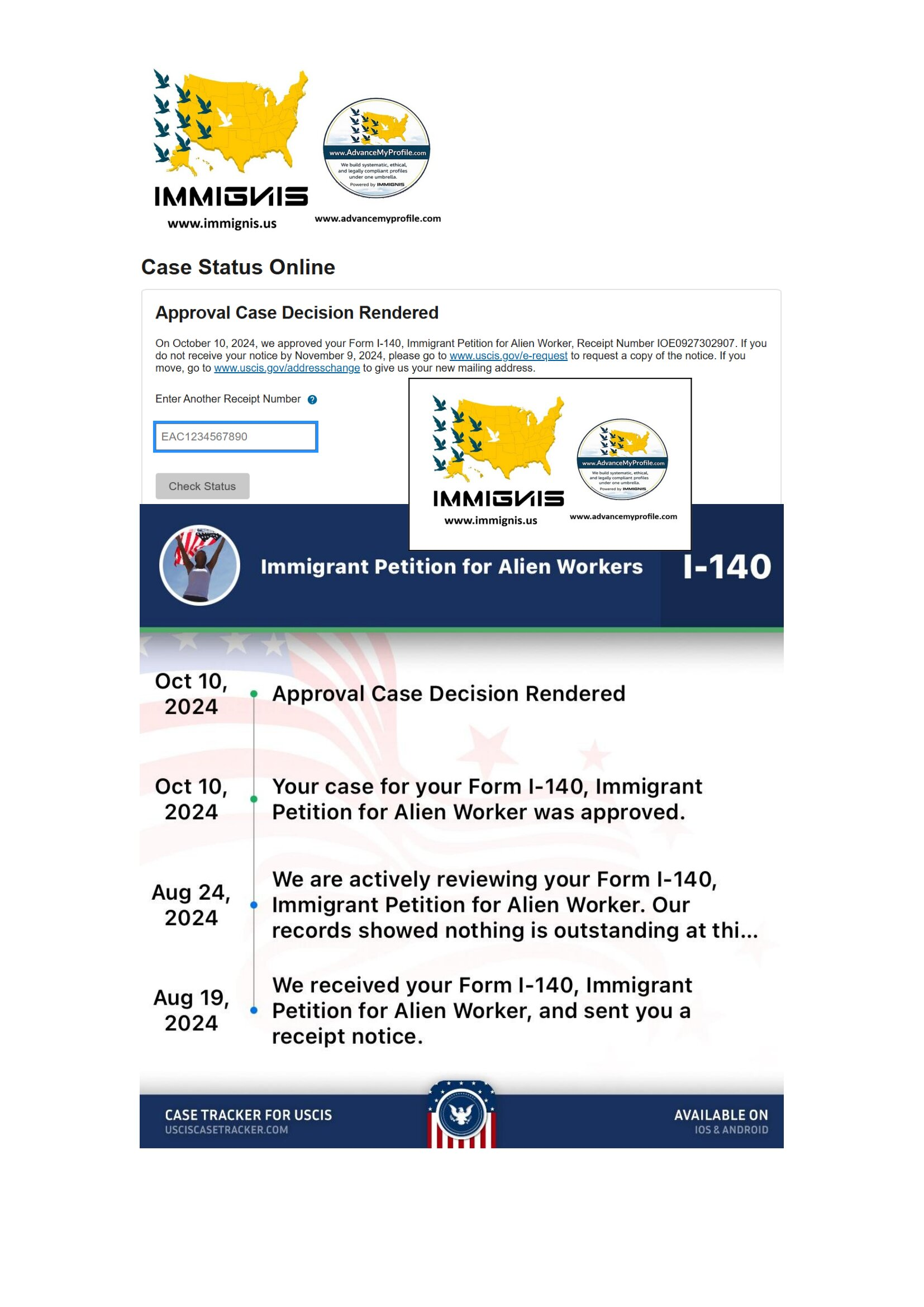
USCIS approved his Form I-140 on October 10, 2024.
EB-1A Geothermal Engineer case started much earlier with a well that had not yet produced a useful stream of geothermal fluid. Drilling had already consumed time and money. The reservoir model offered one picture of the subsurface. The well data was beginning to offer another.
He was a New Zealand geothermal engineer who had worked across projects in New Zealand and the United States. His career moved between drilling decisions and reservoir behavior, two parts of geothermal development that are often written in separate sections of a project report.
He kept asking the same engineering question: what does this well tell us about the reservoir, and what should the next decision do to the life of the resource?
Why a strong geothermal niche can still remain invisible
Geothermal work is highly project based. A drilling program has its own records. Reservoir teams produce models, pressure data, temperature histories, and production forecasts. Operations staff track what the field is actually doing over time.
An engineer can contribute across those interfaces and still end up with a resume that lists wells, fields, and project phases without explaining the method behind the work.
His public record was thin for a different reason. The geothermal community around him knew the work. Outside those project circles, there were few papers, interviews, judging roles, or independent documents that made his individual contribution easy to identify.
The EB-1A green card permits a qualifying extraordinary-ability applicant to self-petition. The record still has to show the applicant’s own achievements and recognition in the field.
Advance My Profile, powered by Immignis, reviewed his technical history with legal strategists and geothermal domain specialists. The strongest thread ran between low emission drilling decisions and reservoir management.
The case followed the connection between the well and the reservoir
Drilling choices influence cost, operational time, the information collected from the well, and the way a project reaches the reservoir. Reservoir management decisions then affect production, injection, pressure behavior, thermal performance, and the long-term use of the resource.
The profile described how he evaluated drilling and well information alongside reservoir behavior. The engineering record included decisions about how information from wells was interpreted and how reservoir response informed later planning.
The ‘low-emission’ description was tied to the evidence. It referred to work aimed at reducing avoidable operational burden and improving decisions that affect the efficiency of geothermal development. The petition did not describe geothermal drilling as emission free.
What did USCIS need to see in this geothermal EB-1A case?
A list of geothermal projects could show experience. The petition needed evidence of his individual engineering contribution. For original contributions, the file identified the technical problems he worked on, the parts of drilling and reservoir analysis linked to him, and the ways project teams used his methods or judgment. Independent geothermal experts then explained why those contributions mattered in the field.
Scholarly authorship required papers tied to the same technical niche. Published material required independent coverage about him or his work. Peer review supported judging when he actually assessed the research of other geothermal specialists.
The leading or critical role argument focused on why significant geothermal work relied on his decisions and technical analysis. Patent disclosure material was used in its proper context. An invention disclosure or patent related record can help trace a technical concept and the engineer’s role, but it is not a separate USCIS EB-1A criterion and does not prove major significance by itself.
The papers were written around decisions geothermal engineers actually face
With domain support, focused papers examined drilling efficiency, well information, reservoir response, production and injection behavior, and the way early technical decisions can influence long-term field management.
The topics came from problems he had already encountered in geothermal projects. One paper could discuss how engineers interpret changing reservoir information during development. Another could examine the relationship between operational decisions and the quality of data available for reservoir management.
The work used publishable and non-confidential material. Client-specific models, protected well data, and unpublished project assumptions stayed out. For geothermal readers, the papers showed an engineer who understood that drilling does more than create a hole and reservoir management does more than update a model. The two inform each other throughout development.
The reservoir management handbook turned years of project judgment into a usable document
It organized questions around reservoir surveillance, production and injection trends, pressure and temperature information, changes in well behavior, data quality, and the timing of technical review.
The handbook recognized that geothermal fields differ in geology, temperature, permeability, fluid behavior, and operating history. Its purpose was to help technical teams document what had changed, identify which data supported a concern, and decide when a reservoir assumption or operating plan deserved another look.
Geothermal, subsurface, drilling, and reservoir professionals often have their strongest evidence scattered across wells, fields, and project teams. A free EB-1A profile assessment can help identify the technical method, authorship, judging, role evidence, and independent recognition that can be traced to you.
The clean energy white paper explained why reservoir discipline matters to firm power
It discussed the role of geothermal electricity as a resource that can operate consistently and the engineering work required to manage a subsurface heat resource over time. The paper connected drilling quality, reservoir information, production planning, injection strategy, and field surveillance.
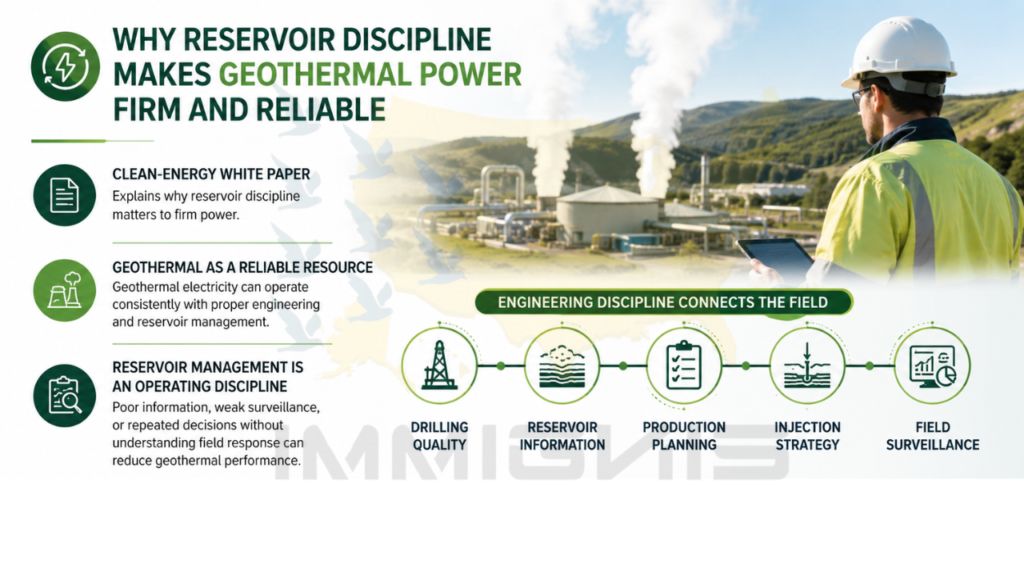
The paper treated reservoir management as an operating discipline. Poor information, weak surveillance, or repeated decisions made without understanding field response can affect geothermal performance.
Invited talks gave him a place to discuss the decisions between drilling and production
He discussed what a well can reveal, why early interpretations may change as production data arrives, and how reservoir teams should respond when observed behavior no longer fits the original expectation. The talks also covered the operational cost of poor technical feedback. When drilling, subsurface, and reservoir teams work in separate information loops, a project can repeat assumptions that the field has already begun to challenge.
Peer review built judging evidence in the field he actually practiced
Advance My Profile developed genuine peer-review opportunities in geothermal engineering, subsurface energy, reservoir analysis, drilling, and closely related research. Peer review fit his technical career because it asked him to evaluate methods, assumptions, data interpretation, and conclusions made by other researchers.
Industry media focused on the engineering problem, not a general renewable-energy profile
Industry outlets and technical interviewers asked about drilling efficiency, reservoir monitoring, geothermal field performance, and why project teams need better feedback between wells and reservoir models. He also explained why geothermal is often discussed as firm power and why that reliability still depends on reservoir and operational management.
The patent disclosure was documented without pretending it was an issued patent
The profile contained a patent disclosure connected to his geothermal work. Advance My Profile documented the technical problem, his contribution to the concept, and the disclosure’s actual status. Where legally usable, the patent-related material helped trace the concept to the engineer. Independent letters and the broader technical record explained why the underlying work mattered.
Independent geothermal experts could finally describe the pattern across his projects
Independent geothermal experts began with the engineering problem. Drilling supplies information and access, while production and injection reveal how the reservoir behaves. Engineers revise decisions as that evidence develops.
What made this EB-1A success story work in geothermal engineering?
Scholarly articles: Focused papers connected his authorship to geothermal drilling efficiency, well information, reservoir behavior, production and injection analysis, and field-management decisions.
Original contributions: Project method evidence, reservoir and drilling work, patent disclosure documentation, the handbook, and independent expert letters explained his individual technical contribution and its significance in geothermal engineering.
Published material: Independent geothermal and energy industry coverage discussed him or his expertise in drilling, reservoir management, and reliable geothermal development.
Judging the work of others: Peer-review records documented genuine evaluation of research by other specialists in geothermal, drilling, reservoir analysis, and allied subsurface fields.
Leading or critical role: Project and organizational evidence showed why significant geothermal work relied on his engineering judgment at the interface between well decisions and reservoir management.
His papers described the technical questions. The handbook showed how he organized reservoir decisions. The white paper placed the work in a wider geothermal power context. Talks, peer review, media, critical-role evidence, and independent letters carried the same specialty outside individual assignments.
Approval came on October 10, 2024
The approved EB-1A petition gave him a self-petition immigration path without employer sponsorship or labor certification. Form I-140 approval is one stage of the employment based immigrant process, and later permanent-residence timing may depend on visa availability and the applicant’s next immigration step.
If your energy career is a list of wells, fields, or projects
A drilling engineer may repeatedly solve a well delivery problem. A reservoir engineer may keep finding weaknesses in how teams interpret pressure or production changes. A geothermal specialist may have developed a way of connecting subsurface information to operating decisions.
Build papers and field material around the technical subject. Record adoption or project use carefully. Accept peer review and speaking work that fits the field. Use independent experts who understand the contribution and can discuss evidence they have actually reviewed.
For this New Zealand engineer, the useful connection was between geothermal drilling and reservoir management. Once documented publicly, that connection made his professional record easier to understand.
FAQs
Can geothermal project work support an EB-1A original-contribution claim?
Yes, when the applicant’s individual method or technical contribution can be identified and the evidence shows major significance in the field. Project records, technical methods, adoption or use evidence, scholarly work, and independent geothermal experts can help explain the contribution. A long list of wells or fields does not establish the criterion by itself.
Why are drilling and reservoir management connected in geothermal projects?
Drilling provides access to the subsurface and produces information about the formations and fluids encountered. Reservoir management uses well, production, injection, pressure, temperature, and other field information to understand how the resource is behaving over time. Decisions in one area can affect the information and options available in the other.
Does an internal patent disclosure count as a patent for EB-1A?
An internal invention or patent disclosure should be described according to its actual status. It is different from a filed or issued patent. Patent related documentation may still help trace a technical concept and the applicant’s contribution, but patents are not a separate EB-1A regulatory criterion and the significance of the contribution still needs evidence.
Can journal peer review count as judging for a geothermal engineer?
Genuine peer review can support the judging criterion when the engineer actually evaluates research by other specialists in the same or an allied field. The record should document the invitation, completed review activity where available, and the relationship between the reviewed work and the applicant’s expertise.
Why is geothermal often described as firm power?
Geothermal power plants can produce electricity consistently and operate around the clock, subject to plant and resource conditions. That makes geothermal different from weather-dependent generation in how it can contribute to an electricity system. Long-term performance still depends on sound resource development, reservoir management, and plant operations.
Do I need a PhD to pursue EB-1A as a geothermal or reservoir engineer?
No specific PhD is required for EB-1A extraordinary ability. Engineers may rely on applicable evidence such as original contributions, scholarly authorship, judging, published material, leading or critical roles, and sustained independent recognition. Education can support the professional background, but the petition must establish the extraordinary ability case through the full record.
Build an EB-1A success story around the engineering decisions your projects keep trusting you to make
If you work in geothermal energy, drilling, reservoir engineering, subsurface modeling, well delivery, or clean firm power, your strongest contribution may be spread across years of project records.
Immignis and Advance My Profile help identify the technical thread, document individual contribution and project use, build credible public recognition, and prepare an EB-1A profile around work that can be verified. Start with a free EB-1A profile assessment and find out whether your geothermal career can be developed into a clearer professional authority record.