Key facts at a glance
| Outcome | EB-1A approval for a Polish silicon photonics engineer working at a U.S. based semiconductor startup. |
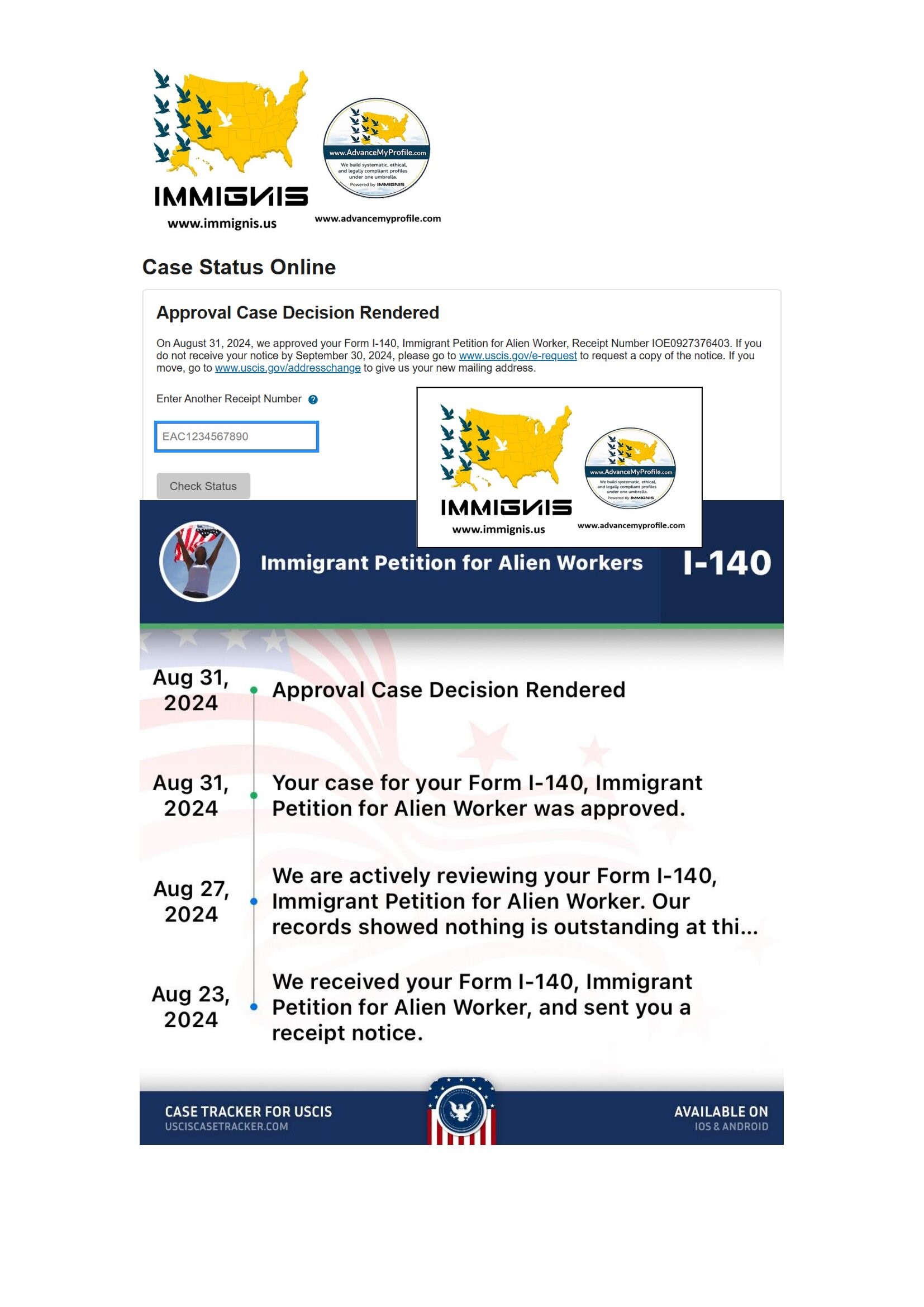
| Approval date | Approved on August 31, 2024. |
| Field niche | Photonic interconnects for AI data centers, with a focus on high bandwidth optical data movement. |
| Starting problem | His R&D record was technically strong, but media visibility, judging evidence, and independent recognition outside the startup were limited. |
| Path used | Ethical EB-1A profile building through focused silicon-photonics publications, patent documentation, an investor and industry white paper, conference talks, peer review, technical media coverage, selective professional membership, and independent letters from semiconductor photonics leaders. |
| USCIS EB-1A criteria activated | Scholarly articles, original contributions, published material, judging, and memberships. Patent evidence strengthened the original contribution record. |
On August 31, 2024, the Silicon Photonics Approval arrived.
The irony was difficult to miss. His entire career had become increasingly focused on moving information faster. Yet the hardest professional problem he faced was that almost none of the right information about him was moving beyond the startup.
Inside the semiconductor team, he worked on photonic interconnects for AI data centers. The technical question was urgent as AI computing systems demand greater data movement, how can optical interconnect technology help move information with the bandwidth and efficiency that advanced computing environments increasingly require?
He understood the devices, integration problems, and engineering tradeoffs. USCIS would not automatically understand his individual place in that work. His R&D profile was strong. His authority profile was thin.
On August 31, 2024, the approval arrived. The irony was difficult to miss. His entire career had become increasingly focused on moving information faster. Yet the hardest professional problem he faced was that almost none of the right information about him was moving beyond the startup.
Inside the semiconductor team, he worked on photonic interconnects for AI data centers. The technical question was urgent: as AI computing systems demand greater data movement, how can optical interconnect technology help move information with the bandwidth and efficiency that advanced computing environments increasingly require?
He understood the devices, integration problems, and engineering tradeoffs. USCIS would not automatically understand his individual place in that work. His R&D profile was strong. His authority profile was thin. The path to Silicon Photonics Approval required translating years of technical contributions into a clear record of extraordinary ability.
The turning point was recognizing that AI has a data movement problem:
Advance My Profile, powered by Immignis, did not position him as a general semiconductor engineer. The strategy narrowed the record to photonic interconnects for AI data centers.
Modern AI systems depend not only on computation. They also depend on moving large volumes of data between processors, memory, accelerators, and system components. As computing density and bandwidth demand rise, interconnect architecture becomes part of the performance and power problem.
The profile-building team, including legal strategists and domain PhDs, mapped his work around optical data movement, photonic integration, device and system tradeoffs, and the role of high bandwidth interconnects in advanced computing environments.
The case stopped presenting him as someone who worked at a semiconductor startup.It began presenting him as a specialist in the interconnect problem that can limit the usefulness of increasingly powerful AI computing systems.
What did USCIS need to see in a silicon photonics EB-1A case?
USCIS needed to see why his work was more than ordinary research and development inside a promising company. For original contributions, the petition had to identify his own technical work and explain its significance. A patent filing alone would not establish major significance. The evidence needed to connect his inventorship, technical methods, design work, or integration contribution to a real photonic interconnect problem.
The case also had to separate the engineer from the startup brand. Which technical questions did he own? What decisions, analyses, or inventions reflected his individual expertise? Why did semiconductor photonics specialists outside the company consider that work important?
For scholarly authorship, focused papers needed to show a coherent research identity rather than scattered photonics topics. For judging, genuine peer review had to show that journals trusted him to evaluate the work of other specialists.
For published material, the evidence had to be about him, his work, or his expertise. Articles he authored belonged under scholarly authorship, not the published material criterion.
Membership evidence required the actual admission or advancement standards of the professional body. An ordinary open membership could not simply be called selective.
The final merits question brought everything together. Did the record show sustained recognition of a specialist whose work addressed photonic interconnects for AI data centers, or did it still look like one capable engineer among many inside a semiconductor startup?
The publication strategy was built around one bottleneck not every photonics topic:
The first major build was authorship. With domain support, the publication plan concentrated on silicon photonics, optical interconnect behavior, photonic integration, and the data movement pressures created by advanced AI computing.
Why did patent documentation need more than a filing number?
Because patents are frequently misunderstood in EB-1A profile building. A patent can document inventorship and an original technical concept. It does not automatically prove that the contribution is of major significance in the field. Immignis therefore built the patent evidence around the underlying engineering problem.
The file connected inventorship documentation with technical descriptions, the role he played in the claimed work, the interconnect challenge being addressed, and independent expert analysis of the significance of the contribution.
Where safe and non confidential, supporting materials helped explain how the technology related to photonic data movement and AI computing infrastructure.
The petition did not treat ‘patents’ as a separate regulatory criterion. Patent evidence strengthened the original contribution argument. That distinction kept the legal framing accurate and the technical story credible.
The white paper translated device physics into an AI infrastructure problem:
An investor and industry white paper became one of the most useful profile-building assets. The white paper connected photonic interconnect engineering to bandwidth, power, system scaling, and the challenge of moving data through increasingly demanding AI computing environments.
It explained where optical interconnects fit, what technical constraints still matter, and why data movement deserves attention alongside compute performance. That field facing document gave journalists, investors, and industry readers a structured way to understand his area of expertise.
Conference talks and technical media made the engineer visible outside the startup:
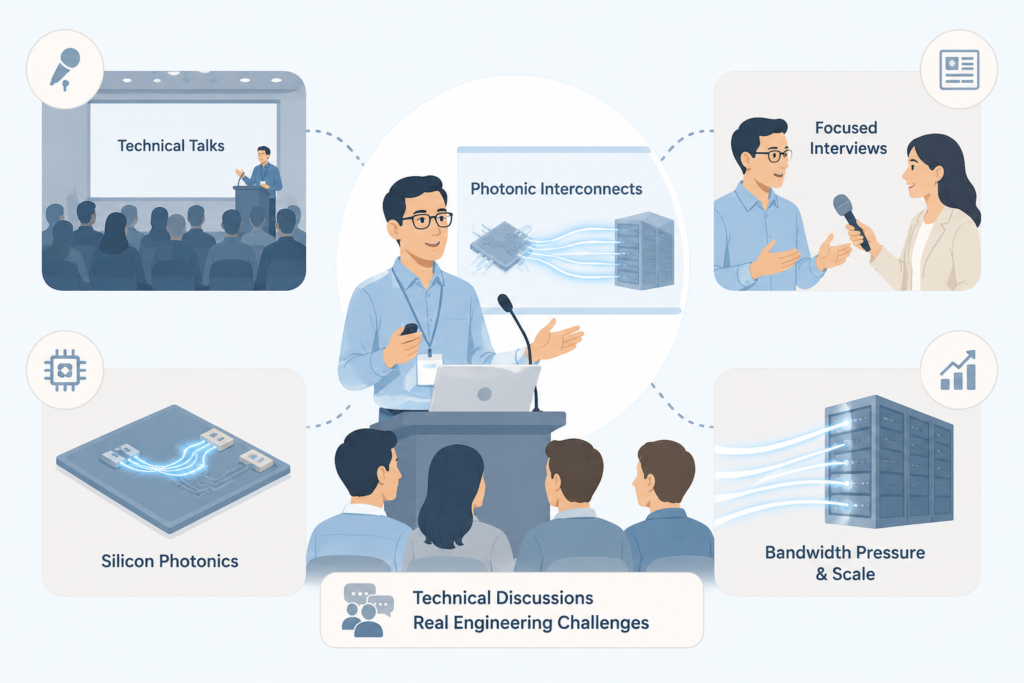
Conference talks were developed around photonic interconnects and AI computing infrastructure rather than broad startup promotion. His presentations focused on technical problems the audience could challenge and discuss.
He was not turned into a generic AI commentator. Interviews and features stayed close to silicon photonics, optical interconnects, bandwidth pressure, and the engineering tradeoffs involved in moving data at scale.
Peer review and selective membership added evidence that the field trusted his judgment:
Judging evidence was built through genuine peer review activity. Technical journals invited him to evaluate work by other researchers in photonics, semiconductor devices, optical systems, or closely related areas. The record documented the invitations and completed reviews where available.
Selective professional membership was developed separately. The team reviewed relevant engineering, optics, and photonics organizations for membership grades or professional standing based on achievement, experience, or expert assessment. Where the membership criterion was claimed, the petition documented the organization’s standards and the basis on which he qualified.
Independent semiconductor photonics letters answered the question the startup could not answer alone:
Immignis developed a referee strategy around semiconductor photonics leaders who understood optical interconnects and advanced computing hardware.
The strongest letters began with the technical problem: AI systems are creating extraordinary demands for data movement, and interconnect limitations can affect bandwidth, energy use, and system architecture.
They addressed his focused research, patent-related contribution, technical analyses, and the relevance of his work to photonic interconnect development. Advance My Profile prepared evidence based drafts for expert review. Referees could revise the language and sign only what they considered accurate.
Why was ethical profile building essential in a semiconductor case?
Semiconductor engineering is a field where weak claims can be exposed quickly. A patent can be checked. A paper can be read. A conference talk can be challenged. A claimed membership can be compared with the actual admission rules. A peer review role can be documented.
Fake awards, paid citations, predatory journals, invented judging roles, or exaggerated claims about AI infrastructure can damage an immigration case and the engineer’s professional credibility.
Could another silicon photonics specialist read the papers and understand the niche? Could an independent expert explain the contribution without relying on adjectives? Could the engineer discuss the same white paper or patent years later and still defend the technical claims?
Which USCIS EB-1A criteria did the final Form I-140 petition activate?
Scholarly articles: Focused publications connected his authorship to silicon photonics, optical interconnects, and data movement challenges in advanced AI computing environments.
Original contributions: Patent documentation, technical R&D evidence, the white paper, and independent expert letters explained his individual contribution to photonic interconnect engineering and its field significance.
Published material: Technical media coverage discussed his work and expertise in silicon photonics and AI data center interconnects, creating independent public recognition around the defined niche.
Judging the work of others: Peer review assignments showed that technical journals trusted him to evaluate research by other specialists in photonics, semiconductor devices, and related fields.
Memberships: Selective professional membership evidence was supported with the relevant admission or advancement requirements and documentation showing how his qualifications were evaluated.
The final merits narrative then answered the larger question.
The papers showed technical depth. Patent evidence documented invention related work. The industry white paper connected the niche to AI infrastructure. Conference talks and technical media created public visibility. Peer review showed evaluative trust. Selective membership and independent letters added outside recognition.
What did the August 2024 EB-1A approval mean?
USCIS approved the Form I-140 on August 31, 2024. The displayed case history shows receipt of the petition on August 23, active review on August 27, and approval on August 31. It does not show a request for additional evidence.
By approval, his record looked very different from the R&D heavy profile that had started the process. He had focused publications, patent documentation, an investor and industry white paper, conference talks, peer review activity, technical media coverage, selective professional membership, and independent letters from semiconductor photonics leaders.
The approval gave him an EB-1A self petition path without employer sponsorship or labor certification. The professional outcome was also visible.
His expertise now had a public center. A technical journalist could identify his subject. A conference could understand the speaking area. A journal could see the review niche. An industry reader could connect his photonics work to the data movement problem inside AI computing systems. The immigration result was approval. The career result was an authority record no longer hidden behind the startup.
If your strongest work is hidden inside a semiconductor company:
You may have patents, technical responsibilities, and product influence while still feeling almost invisible outside your employer. That does not automatically mean the EB-1A record is weak. It may mean the contribution has never been separated from the company story.
The work must be attributed carefully. Confidential information must remain protected. Technical significance should be explained by evidence and independent experts. Public authority should be developed through real authorship, field facing analysis, media, judging, and legitimate professional recognition.
Do not imitate an academic profile that does not fit your career. Build recognition around the technical problem you actually understand better than most.
FAQs:
Can a silicon photonics engineer qualify for EB-1A without a university position?
Yes. EB-1A does not require a faculty appointment. An industry engineer may build a record through original contributions, focused scholarly authorship, judging, qualifying memberships, published material, and independent evidence that the work has recognized significance in silicon photonics or a defined related field.
Why are photonic interconnects relevant to AI data centers?
AI computing systems require large amounts of data to move between processing and system components. Interconnect architecture can affect bandwidth, energy use, and scaling. Photonic interconnect research explores how optical technologies may address parts of that data movement challenge, subject to device, integration, packaging, and system constraints.
Does a patent filing automatically prove an EB-1A original contribution of major significance?
No. Patent evidence can document inventorship and an original technical concept, but the petition still needs evidence explaining the significance of the contribution. Independent expert letters, technical use or adoption context, publications, and documentation of the problem addressed can help explain why the underlying work matters.
How can a startup engineer prove personal contribution when the technology belongs to the company?
The evidence should identify the engineer’s individual inventorship, technical methods, design responsibilities, analyses, or decisions without disclosing protected company information. Patent records, role documentation, non confidential technical summaries, publications, and independent letters can help separate the individual’s contribution from the startup’s broader story.
Can peer review count as judging for a semiconductor engineer?
Genuine journal peer review can support the EB-1A criterion for judging the work of others when the applicant actually evaluates technical or scholarly work. The record should document the invitations, completed reviews where available, and the connection between the reviewed work and the applicant’s field.
Do I need a PhD or a very high citation count for an EB-1A silicon photonics case?
No specific degree or citation number is automatically required for EB-1A. A PhD and citation record may support technical standing, but USCIS evaluates the extraordinary ability evidence and the record as a whole. Industry engineers may rely on a combination of original contributions, authorship, judging, qualifying memberships, published material, and sustained independent recognition.
Build an EB-1A success story around the bottleneck your work is actually solving
If you work in silicon photonics, semiconductor devices, optical interconnects, AI hardware, advanced packaging, or another deep technology field, your strongest contribution may already exist inside R&D that the wider field cannot yet see.
Immignis and Advance My Profile help professionals identify a defensible niche, build credible recognition around real technical work, document individual impact, and prepare an EB-1A record that can withstand both immigration and professional scrutiny.